 EN
 TR
 RU
 SV
Lasers in Plastic Surgery
Lasers in Plastic Surgery — 18
- Introduction: The Rise of Laser Technology in Plastic Surgery
- The Basic Working Principle of Laser Technology
- Applications of Lasers in Plastic Surgery
- Laser Techniques for Facial Rejuvenation
- Laser Applications for Acne and Pigmentation Treatments
- Laser Liposuction: A New Era in Fat Removal
- Laser Skin Resurfacing: Superficial and Deep Treatments
- Laser Tattoo Removal: Saying Goodbye to Permanent Ink
- Laser Eyelid Surgery: Blepharoplasty
- Laser Treatments to Balance Skin Tone
- Laser Technology in Body Contouring
- Laser Hair Removal: Permanent Hair Reduction
- Laser Treatment of Wound and Surgical Scars
- Safety and Risks in Laser Treatments
- Recovery Process in Laser Applications
- Advantages of Lasers in Plastic Surgery
- Who Is the Right Candidate for Laser Treatment?
- Conclusion: The Future of Lasers in Plastic Surgery
Introduction: The Rise of Laser Technology in Plastic Surgery
Today’s rapidly advancing technology brings groundbreaking innovations to the field of medicine as well. The use of laser technology in plastic surgery has led to revolutionary changes in both aesthetic and reconstructive procedures. Lasers make it possible to achieve more effective results with less invasive methods, significantly shortening patients’ recovery times.
The Basic Working Principle of Laser Technology
Lasers operate by focusing light energy of specific wavelengths and directing it toward target tissues. This concentrated light energy interacts with pigments or water molecules in the skin, delivering the desired therapeutic results. Laser beams penetrate only the targeted area with minimal damage to surrounding tissues.
Applications of Lasers in Plastic Surgery
Lasers in plastic surgery have a broad range of applications. They are used effectively in procedures such as facial rejuvenation, acne and pigmentation treatments, liposuction, skin resurfacing, and treatment of spider veins and varicose veins. Additionally, laser technology plays a prominent role in dermatological applications such as tattoo removal and the treatment of moles and warts.
Laser Techniques for Facial Rejuvenation
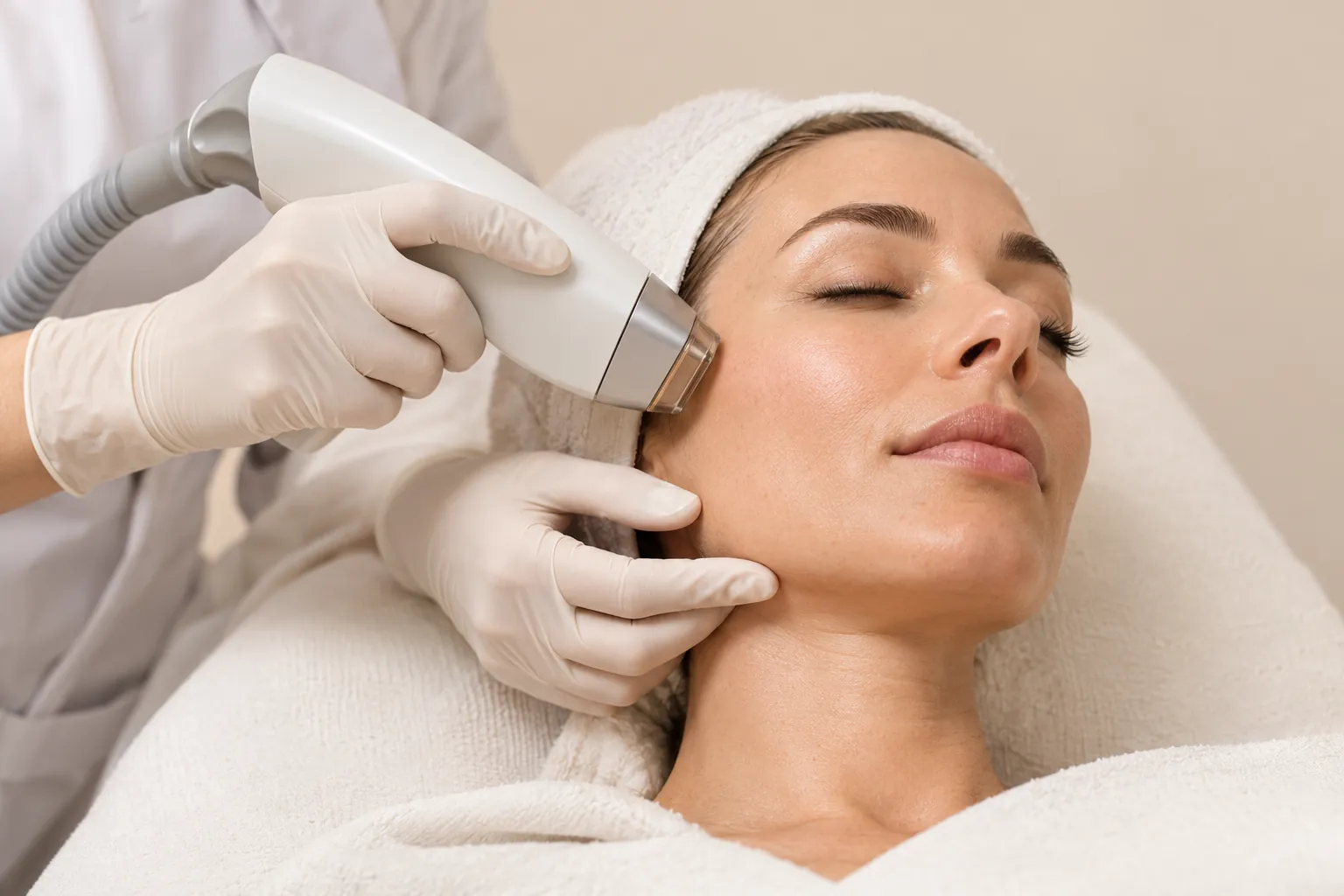
Lasers are often preferred to reduce the signs of aging and give the skin a more youthful appearance. Fractional lasers create microthermal zones in the skin, stimulating collagen production and helping reduce fine lines and wrinkles. This method increases the skin’s elasticity while improving its tone and texture.
Laser Applications for Acne and Pigmentation Treatments
Acne scars and sunspots are a source of aesthetic concern for many individuals. Laser treatments target the outer layer of the skin, reducing the appearance of these scars and spots.
Nd:YAG and Q-switched lasers penetrate the deeper layers of the skin, effectively addressing pigmentation issues.
Laser Liposuction: A New Era in Fat Removal
Laser liposuction, developed as an alternative to traditional liposuction methods, melts fat cells to create a smoother body contour. The laser energy liquefies the fat tissue while also contributing to skin tightening. This method is notable for less bleeding and a faster recovery time.
Laser Skin Resurfacing: Superficial and Deep Treatments
Lasers used for skin resurfacing fall into two categories: superficial and deep. Ablative lasers vaporize the outer layer of the skin, providing deeper renewal. Non-ablative lasers target the deeper layers of the skin, boosting collagen production without damaging the surface.
Laser Tattoo Removal: Saying Goodbye to Permanent Ink
Laser technology is one of the most successful methods for unwanted tattoo removal. Q-switched lasers break down the tattoo pigments, allowing the body’s natural lymphatic system to remove them. Lasers of different wavelengths are used to remove colored and black-and-white tattoos.
Laser Eyelid Surgery: Blepharoplasty
The use of lasers in eyelid surgery shortens the operation time and accelerates the recovery period. Laser blepharoplasty results in less bleeding and swelling compared to traditional methods. The laser’s precise cutting ability allows for more controlled and accurate procedures.
Laser Treatments to Balance Skin Tone
Lasers are an effective option for balancing skin tone and addressing hyperpigmentation issues. The laser energy targets melanin, reducing the appearance of dark spots on the skin. These treatments are popular among those seeking a brighter and more even complexion.
Laser Technology in Body Contouring
Lasers are also used in body contouring and skin tightening procedures. Laser lipolysis targets fat cells, reducing fat accumulation in specific areas of the body. At the same time, it stimulates collagen production, tightening the skin and resulting in a fitter appearance.
Laser Hair Removal: Permanent Hair Reduction
Laser hair removal is one of the most effective methods for the permanent reduction of unwanted hair. The laser beam targets the pigment in the hair follicle, preventing hair growth. This method is performed using various laser devices that can be adapted to different skin and hair types.
Laser Treatment of Wound and Surgical Scars
Scars from wounds and from surgery can be significantly reduced with laser treatments. Fractional lasers promote the restructuring of the skin, reducing the appearance of scars. This treatment encourages skin tissue regeneration, making scars less noticeable.
Safety and Risks in Laser Treatments
The safe application of laser technology requires expertise and experience. Proper patient selection and correct device settings before the treatment minimize the risk of side effects. Adjusting the laser parameters according to skin type and the treated area is crucial.
Recovery Process in Laser Applications
The recovery process following laser treatment varies depending on the type and depth of the procedure. Patients must be cautious about skincare and sun protection after the procedure. Since the skin may become more sensitive during the healing phase, following professional advice is essential.
Advantages of Lasers in Plastic Surgery
Laser technology offers numerous advantages for both plastic surgeons and patients. Less invasive procedures, shorter recovery times, and minimal scarring are among the reasons lasers are favored. Moreover, lasers enable more precise and controlled operations.
Who Is the Right Candidate for Laser Treatment?
Suitability for laser treatment is determined by considering the patient’s skin type, health condition, and expectations. Laser applications may generally be ideal for individuals seeking skin resurfacing, pigmentation treatment, or hair removal. However, they may not be suitable for people with active infections or photosensitivity.
Conclusion: The Future of Lasers in Plastic Surgery
With advancing technology, the role of lasers in aesthetic surgery is expanding. New-generation laser devices offer more effective and safer treatments, increasing patient satisfaction. In the future, it is expected that laser technology will evolve even further, creating personalized treatment protocols.