 EN
 TR
 RU
 SV
Closed Rhinoplasty
Closed Rhinoplasty — 20
- What Is Closed Rhinoplasty?
- How Is Closed Rhinoplasty Performed?
- Differences Between Closed and Open Rhinoplasty
- Advantages of Closed Rhinoplasty
- When Should Closed Rhinoplasty Be Preferred?
- What Age Group Is Closed Rhinoplasty Suitable For?
- Pre-Surgery Preparation for Closed Rhinoplasty
- Choosing a Surgeon for Closed Rhinoplasty
- Risks and Side Effects of Closed Rhinoplasty
- Post-Surgery Recovery Process
- Post-Surgery Care Tips for Closed Rhinoplasty
- Will There Be Scarring After Closed Rhinoplasty?
- Nasal Congestion After Closed Rhinoplasty
- Swelling and Bruising After Closed Rhinoplasty
- Costs of Closed Rhinoplasty
- Materials Used in Closed Rhinoplasty
- Closed Rhinoplasty and Achieving a Natural Look
- Return to Social Life After Closed Rhinoplasty
- Success Rate of Closed Rhinoplasty
- Frequently Asked Questions About Closed Rhinoplasty
What Is Closed Rhinoplasty?
Closed rhinoplasty is a surgical procedure that allows for both aesthetic and functional improvements to the structure of the nose. The key difference from other rhinoplasty operations is that all incisions are made inside the nostrils. This ensures that no visible scars form on the outside. Closed rhinoplasty is a preferred technique, particularly for patients seeking a natural look. Its difference from rhinoplasty in general lies in the techniques used during the procedure and the surgeon’s approach. While the closed technique limits the surgeon’s field of vision, it offers the advantage of being scar-free.
How Is Closed Rhinoplasty Performed?
Closed rhinoplasty is performed by a skilled surgeon, typically under general anesthesia. During the operation, the surgeon makes small incisions inside the nostrils and works through these to access and modify the cartilage, bone structure, and other soft tissues of the nose. The cartilage and bone are reshaped according to the patient’s wishes. While aiming for the most natural and balanced aesthetic appearance, the surgeon also takes care to preserve the functions of the nose. The duration of the surgery usually ranges from 1.5 to 3 hours but may extend depending on the patient’s requirements.
Differences Between Closed and Open Rhinoplasty
Closed and open rhinoplasty are the two primary techniques surgeons choose from. In closed rhinoplasty, all incisions are made inside the nostrils, whereas in open rhinoplasty, a small incision is also made on the strip of skin between the nostrils. Open rhinoplasty offers the surgeon a wider field of vision and is therefore preferred for patients with complex nasal structures. However, open rhinoplasty carries a small risk of visible scarring. Closed rhinoplasty provides a scar-free solution, but the surgeon’s expertise becomes more critical as their view is more limited.
Advantages of Closed Rhinoplasty
The most significant advantage of closed rhinoplasty is that no visible scars are left. This is a major aesthetic benefit. Additionally, the recovery period after the surgery is usually shorter, as less tissue trauma occurs. Surgeries performed with the closed technique enable patients to achieve a natural nasal appearance, making it a popular choice. The precise techniques used during the procedure involve minimal intervention on nasal tissues, resulting in a quicker recovery process.
When Should Closed Rhinoplasty Be Preferred?
Closed rhinoplasty is an appropriate option for patients whose nasal structure is not overly complex. It is preferred when more limited interventions are needed, such as refining the nasal tip or correcting minor deformities or slight deviations. It is also ideal for patients who wish to avoid post-surgical scarring. The closed technique allows for aesthetic adjustments without harming the internal structure of the nose or its breathing function. However, for more advanced structural issues, the surgeon may opt for an open rhinoplasty approach.
What Age Group Is Closed Rhinoplasty Suitable For?
Closed rhinoplasty is generally performed on patients aged 18 and over. Completed nasal development makes the surgical outcome more lasting and successful. In some cases, however, nasal development may be completed at a younger age, and surgery may then be needed earlier. In particular, younger patients with nasal deformities caused by trauma or with severe breathing problems may undergo surgery at a time the doctor considers appropriate. For older patients, the decision is made taking their overall health into account.
Pre-Surgery Preparation for Closed Rhinoplasty
The preparation phase before surgery is crucial to the operation’s success. First, the patient should have a detailed consultation with the surgeon to clarify expectations and understand the likely outcome of the procedure. Factors such as blood-thinning medications and smoking must be carefully reviewed before surgery. Healthy eating and proper rest before surgery can also positively impact the recovery period. Tests and examinations conducted before the surgery provide insight into the patient’s overall health and enhance the safety of the procedure.
Choosing a Surgeon for Closed Rhinoplasty
The success of a closed rhinoplasty heavily depends on the expertise of the surgeon, making the choice of surgeon extremely important. A surgeon experienced in rhinoplasty plans the operation according to the patient’s anatomy and aims to achieve the best result. Reviewing the surgeon’s references and seeing the results of their previous operations can make it easier for patients to decide. The surgeon’s approach to postoperative care and to patient satisfaction is also important.
Risks and Side Effects of Closed Rhinoplasty
Like any surgical procedure, closed rhinoplasty carries certain risks. The most common side effects include swelling, bruising, and mild pain. These effects usually resolve on their own within a few weeks. However, in rare cases, complications such as infection, bleeding, or unexpected deformities in nasal shape may occur. Additionally, post-surgery nasal congestion can be a problem. To minimize the risk of such complications, it is essential to closely follow the surgeon’s pre- and postoperative instructions.
Post-Surgery Recovery Process
The recovery process following closed rhinoplasty is typically swift and without complications. The first few days after surgery tend to be the period when swelling and bruising are most prominent. During this time, elevating the head and applying cold compresses as recommended by the doctor can help reduce swelling. The first week is the most critical phase of recovery, and the nose should be protected from any impact. It may take several months for the nasal structure to settle completely. During this period, avoiding strenuous physical activity will aid in a faster recovery.
Post-Surgery Care Tips for Closed Rhinoplasty
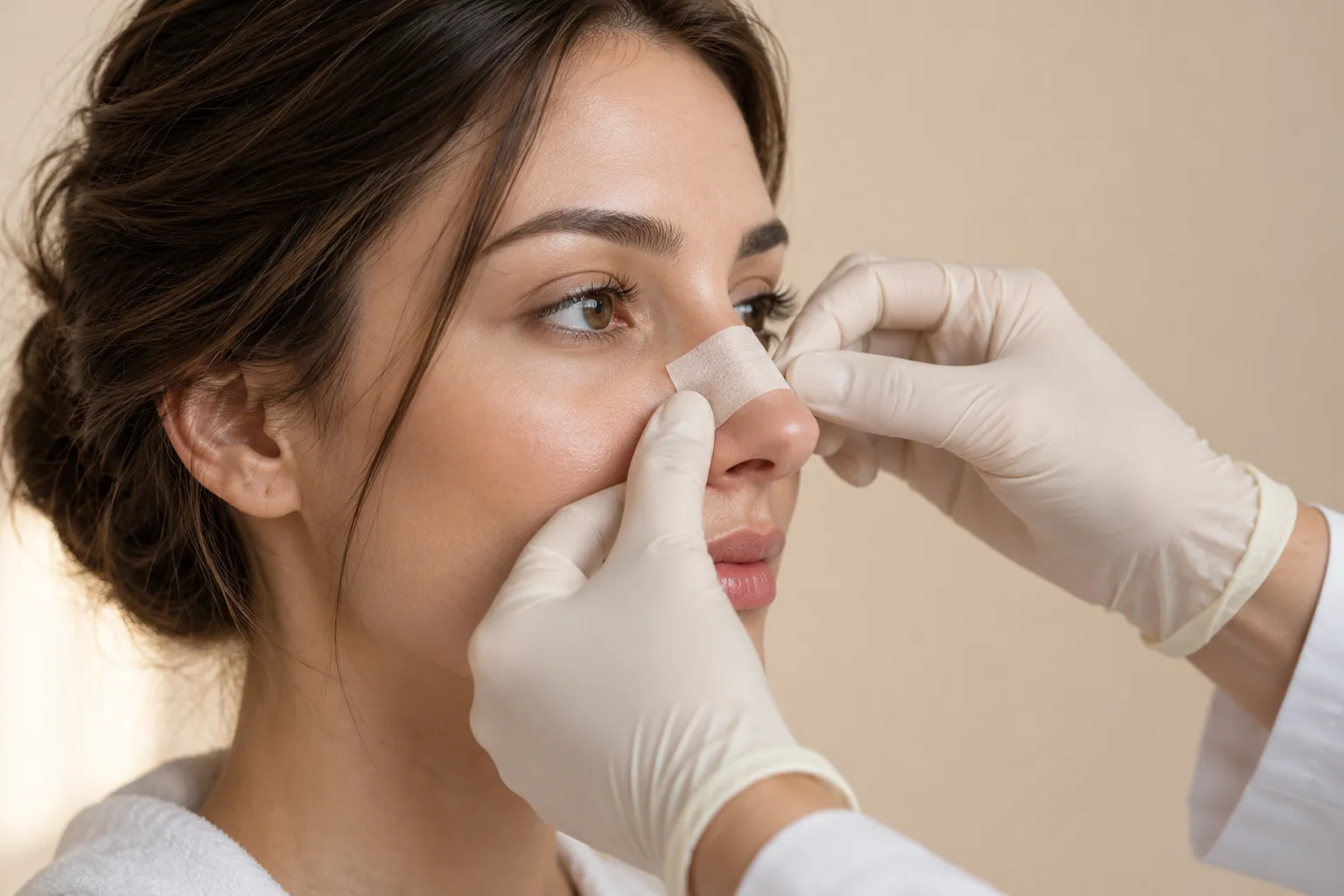
Post-surgery care is vital for maintaining the aesthetics of the nose and ensuring a smooth recovery process. Silicone splints or packing placed inside the nose are usually removed within a week. During this time, it is important to move gently so as not to harm the nose and to be careful when cleaning it. Additionally, avoiding direct exposure to sunlight helps protect the sensitive nasal skin. Smoking should be strictly avoided, as it can negatively affect the recovery process.
Will There Be Scarring After Closed Rhinoplasty?
Closed rhinoplasty is known as a technique that leaves no scars. Since all incisions are made inside the nostrils, there are no visible scars after the surgery. This is a significant advantage, especially for patients with aesthetic concerns. The risk of scarring is almost non-existent thanks to the closed technique. However, as with any surgical procedure, individual differences in wound healing may occur. Proper postoperative care and adherence to the surgeon’s recommendations will contribute to a smooth recovery.
Nasal Congestion After Closed Rhinoplasty
Post-surgery nasal congestion is a common issue experienced by many patients. This congestion typically results from swelling inside the nose and is temporary. During the recovery period, nasal sprays and saline solutions recommended by the doctor can help alleviate the congestion. In rare cases, adhesions inside the nose or a deviated septum may cause persistent congestion. If this occurs, additional interventions may be necessary. For most patients, however, the congestion clears completely within a few weeks.
Swelling and Bruising After Closed Rhinoplasty
Swelling and bruising are the most common side effects following closed rhinoplasty. These effects may be more pronounced during the first week, but they gradually diminish and disappear over time. Keeping the head elevated and applying cold compresses as recommended by the surgeon can help accelerate the reduction of swelling. Bruising typically appears around the eyes and fades completely within one to two weeks. While most swelling subsides within the first two months, it can take six months to a year for the nose to fully settle into its final shape.
Costs of Closed Rhinoplasty
The cost of closed rhinoplasty varies depending on the patient’s needs and the surgeon’s experience. Factors influencing the price include the hospital where the surgery is performed, the materials used, and the surgeon’s level of expertise. The complexity of the operation is another element that affects the cost. Operations performed with the closed technique are generally more affordable because they are less invasive. In every case, however, the price should be assessed taking into account the surgeon’s experience and the patient’s needs.
Materials Used in Closed Rhinoplasty
The materials used in closed rhinoplasty have evolved significantly with modern surgical techniques and minimally invasive approaches. Sutures are usually made from materials that dissolve on their own post-surgery. Additionally, silicone splints or packing used to support the internal nasal structure are designed for patient comfort. These materials aid in easy breathing post-surgery while helping maintain the shape of the nose. The choice of materials depends on the surgeon’s experience and the patient’s needs.
Closed Rhinoplasty and Achieving a Natural Look
One of the main goals of closed rhinoplasty is to achieve a natural appearance for the patient. During the surgery, the nasal structure is modified to align with the overall facial features. To achieve a natural result, subtle adjustments are made to the nasal cartilage and bone structure. Minimal corrections, particularly at the tip of the nose, create a more balanced and aesthetic appearance without changing the patient’s overall expression. A natural-looking nose after surgery is the most important sign of a successful operation.
Return to Social Life After Closed Rhinoplasty
The timeframe for returning to social activities after closed rhinoplasty can vary from patient to patient. Usually, special care is needed during the first week for rest and to let the swelling go down. However, most patients can return to work and daily activities one week after surgery. For more physically demanding activities, a minimum of four weeks is recommended. As the nasal structure continues to heal and stabilize over the coming months, it’s essential to be cautious and avoid any trauma to the nose during this period.
Success Rate of Closed Rhinoplasty
Closed rhinoplasty generally has a high success rate. Most patients report satisfaction with both the aesthetic and functional outcomes of the surgery. However, the success rate can vary depending on factors such as the surgeon’s expertise, the patient’s anatomical structure, and postoperative care. Careful planning, an experienced surgeon and regular care are the key elements for achieving a successful result. Regular postoperative check-ups also support this process.
Frequently Asked Questions About Closed Rhinoplasty
Some of the most frequently asked questions about closed rhinoplasty include concerns about recovery time, risks, scarring, and costs. The fact that the surgery leaves no visible scars is one of its greatest advantages. While the recovery period may vary from person to person, most patients can return to their normal lives within a few weeks. Additionally, the cost of the surgery can differ based on the surgeon’s experience and the patient’s wishes.